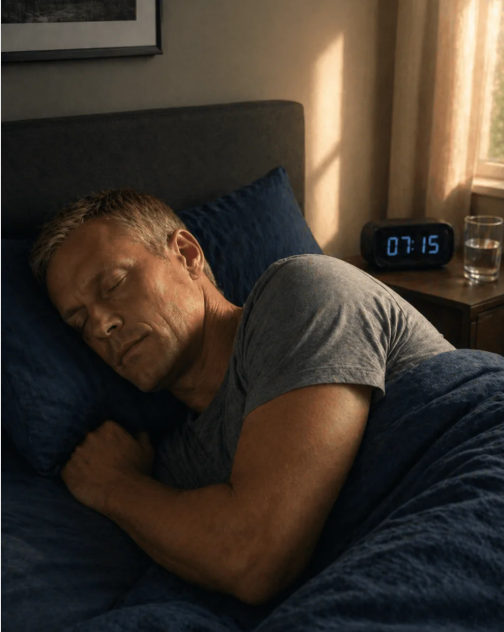

Many people have nights when sleep does not come easily. You may lie in bed thinking too much, feeling worried, or just wondering why you cannot fall asleep. After one bad night, you may hope the next night will be better. Sometimes it is. Other times, the same problem happens again. This can make you ask an important question: do I have insomnia, or am I just having a few bad nights of sleep? Knowing the difference is the first step toward finding the right help. The good news is that many sleep problems can get better when you learn simple habits that help your body and mind relax.
Everyone has poor sleep sometimes. A hard week at work, family stress, travel, illness, or too much coffee can make sleep harder. These short sleep problems are common and usually do not last long. Once the stress goes away or life becomes calmer, sleep often goes back to normal. Having a few restless nights does not always mean you have insomnia. Your body can often recover on its own. That is why it is important not to panic after just one or two bad nights. Worrying too much about sleep can make it even harder to fall asleep.
Insomnia is different because it keeps happening and starts to affect daily life. People with insomnia may have trouble falling asleep, wake up many times during the night, wake up too early, or feel tired even after being in bed for a long time. These sleep problems happen often, not just once in a while. This can cause sleepiness during the day, trouble focusing, forgetfulness, low energy, irritability, and a hard time enjoying normal activities. When poor sleep begins to affect your work, school, mood, or health, it is time to pay closer attention.
One way to tell the difference is to look at how long the problem has lasted. If you have only slept badly for a few days because of stress or sickness, it is probably a short-term sleep problem. If your sleep has been bad for many weeks or months, insomnia may be the cause. Keeping a sleep diary can help. Write down when you go to bed, how long it takes you to fall asleep, how often you wake up, and how you feel the next day. This can help you see patterns that are not easy to notice in the moment.
Many people think insomnia means not sleeping at all, but that is not true. A person with insomnia may still sleep for some hours, but the sleep may be broken or very light. Others may lie awake for a long time before falling asleep. Some may wake up in the middle of the night and cannot go back to sleep. These problems can all be signs of insomnia, especially when they happen often and begin to affect your daily life.
It is also good to remember that people need different amounts of sleep. Some adults feel fine after seven hours, while others need more. It is not helpful to compare your sleep with other people’s sleep. Instead, think about how you feel during the day. If you wake up feeling rested, stay awake when you need to, and have enough energy for your tasks, then your sleep may be okay even if it is shorter than someone else’s. The goal is not just to stay in bed longer. The goal is to get good sleep that helps your body and mind recover.
Many people make sleep harder by trying too hard to force it. They may go to bed too early, stay in bed while worrying, or keep checking the clock through the night. These habits can make the brain connect the bed with stress instead of rest. Sleep often comes more easily when you stop pushing so hard and instead create calm habits that help your body relax.
Natural sleep techniques focus on helping your body sleep in a simple and healthy way. One of the best habits is keeping a regular sleep schedule. Try to go to bed and wake up at about the same time every day. This helps your body know when it is time to sleep and when it is time to wake up. It works best when you keep the same schedule on weekends too. Sleeping in after a bad night may feel good for the moment, but it can make it harder to sleep the next night.
A calming bedtime routine can also help a lot. During the hour before bed, do quiet things that help your mind slow down. Reading a book, listening to soft music, stretching gently, or breathing slowly can prepare your body for sleep. Bright screens from phones, tablets, computers, and televisions can make it harder for your brain to get ready for rest. Reducing screen time before bed gives your body a better chance to relax.
Your bedroom matters too. A cool, dark, quiet, and comfortable room can help many people sleep better. A good pillow, comfortable bedding, and less noise or light can make a real difference. Small changes in the bedroom can help more than people expect because they remove things that keep the brain awake when it should be resting.
What you do during the day also affects how you sleep at night. Regular exercise can help your body feel ready for rest later. Spending time outside in daylight can help your body keep a healthy sleep pattern. It is also wise to watch how much caffeine you drink, especially in the afternoon and evening. Heavy meals, alcohol, and nicotine before bed can also make sleep less restful.
Stress is one of the most common reasons people have trouble sleeping. When the mind is full of worries, the body stays alert instead of relaxing. Simple ways to lower stress during the day can help you sleep better at night. You can write down tomorrow’s tasks, practice gratitude, do relaxation exercises, or spend a few quiet minutes being mindful. The goal is not to remove every worry, but to help your mind rest for the night.
If you think you may have insomnia, remember that you are not alone. Sleep problems are common, and there are effective ways to improve them. Many people sleep better when they learn healthy habits and use them every day. If your sleep problems keep going for several weeks, become severe, or begin to affect your health or emotions, a healthcare professional can help find the cause and guide you toward the right care.
The most important thing to remember is that a few bad nights do not always mean insomnia. Short sleep problems happen to almost everyone and often get better with time. Insomnia is different because it lasts longer, happens more often, and affects how you feel during the day. By watching your sleep habits, building healthy routines, and using simple natural techniques, you can give your body a better chance to rest well again. Better sleep often starts with small changes, and those small changes can lead to calmer nights and better days.

|
"Consumer Reviews on Companies, Products and Services" |
Insomnia Course
Write a Review for Insomnia Course |
RECENTLY UPDATED REVIEWS
Vienna Siding Pro
Sculpt, Tighten, and Tone Without Surgery at Lucy Cryo Services in Ottawa
Camper Inkoop Den Haag
DJ8 - online casino in malaysia
1800 Emergency Dentist Washington DC 24 Hour
Legiit Whiskey
Owner
businesses
Mountain House Roofing
Roof Dormer Service
REQUESTED REVIEWSREVIEWS BY CATEGORY |